Independent Research Projects
The Heart of an Odyssey Education
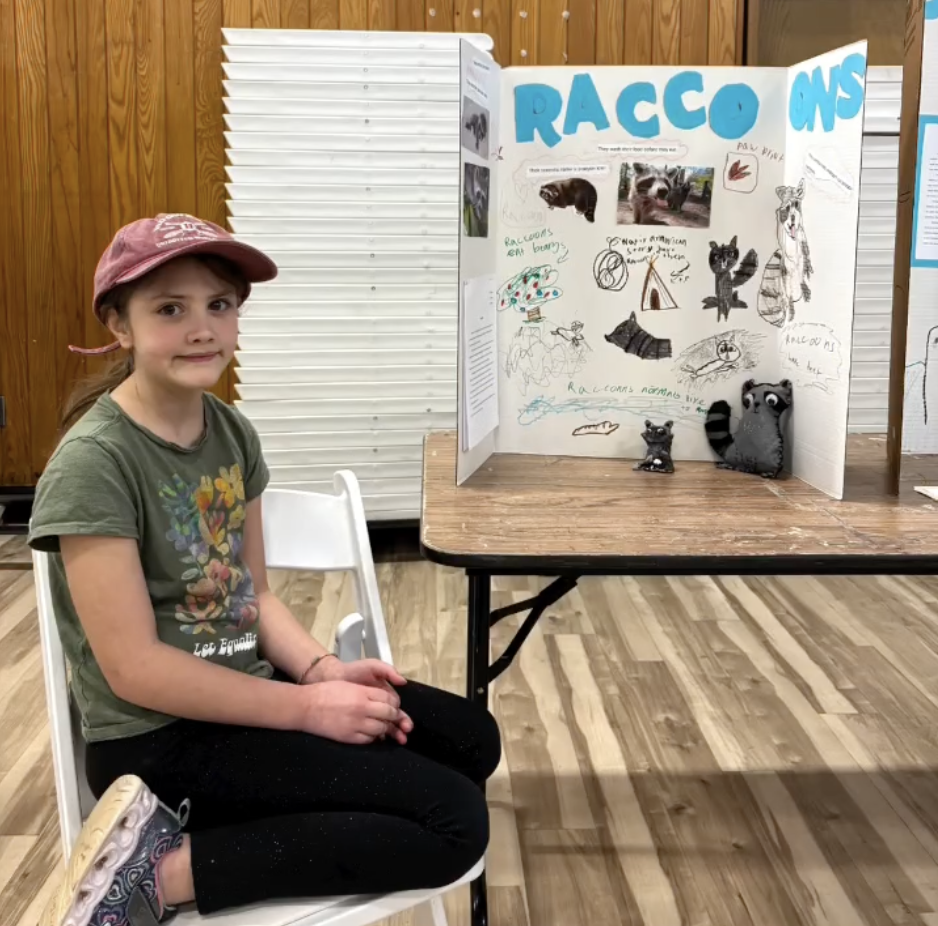
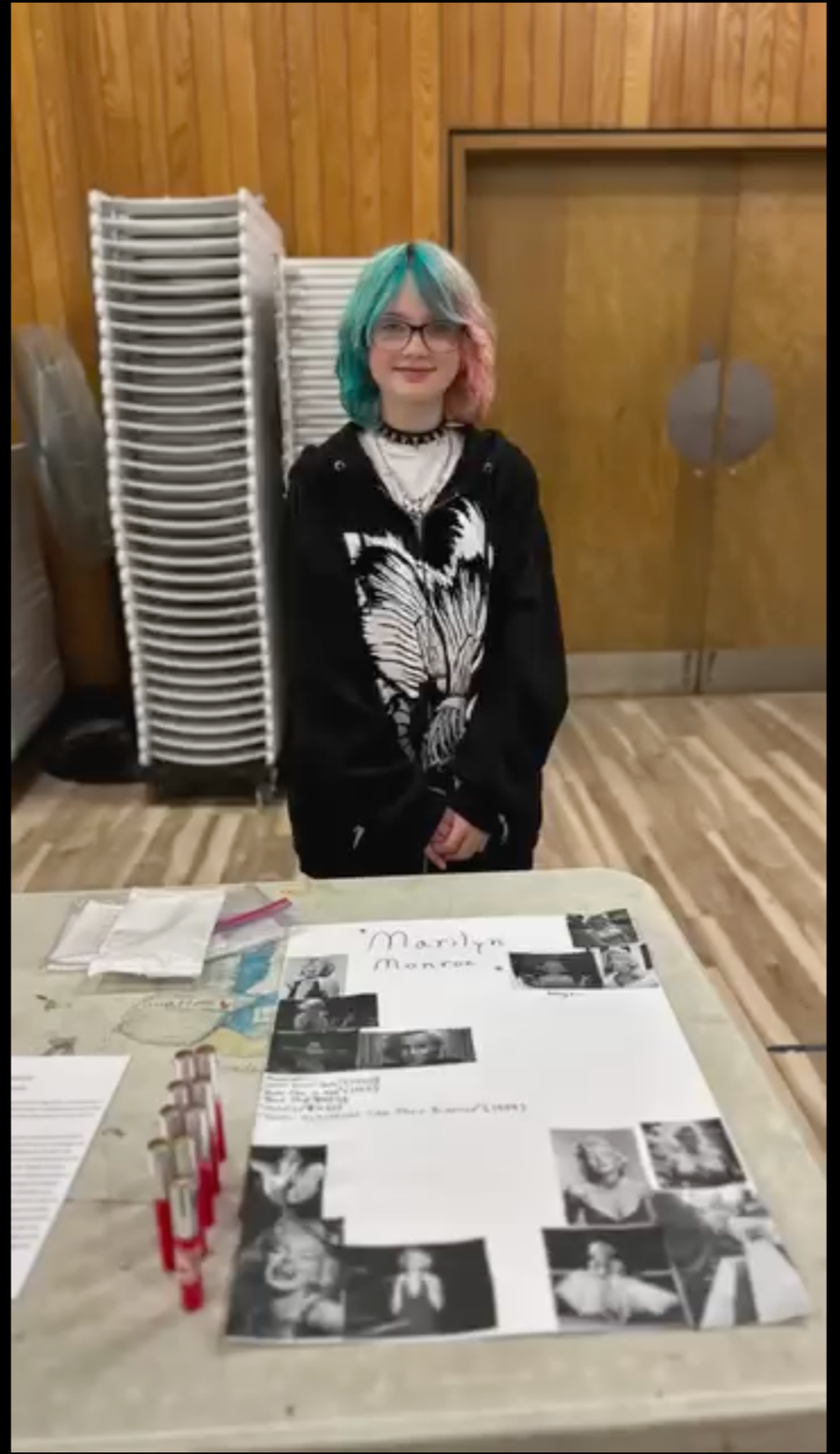
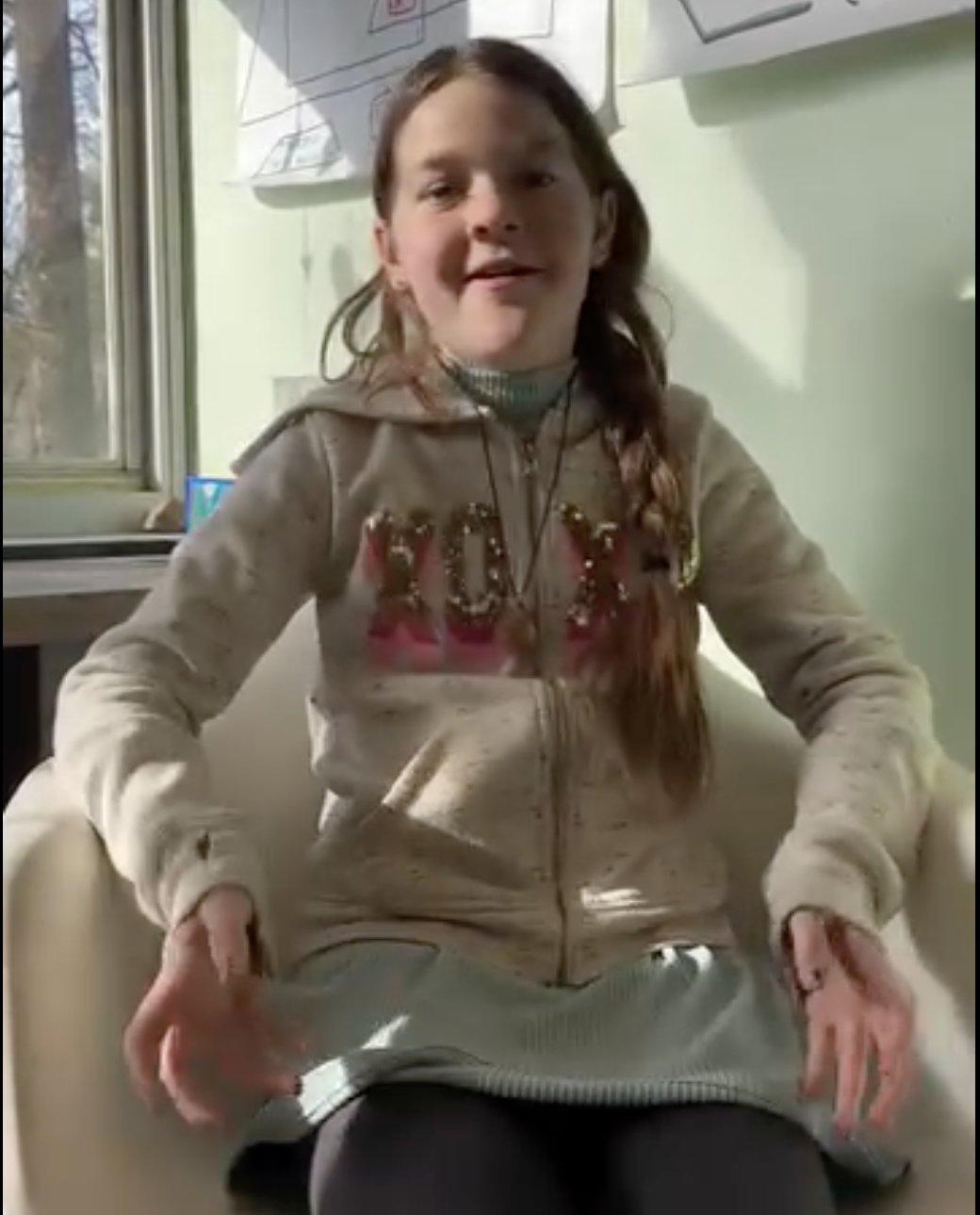
At Odyssey, we teach students to be self-directed scholars who can tackle any intellectual challenge through our signature Independent Research Project. Starting in Kindergarten, we dedicate time each winter semester to developmentally appropriate instruction in learning how to know what you don't know. Students learn to ask good questions, evaluate source credibility, collect and organize information, and communicate their discoveries to a room of their peers. By the time they graduate, they've completed this work twelve times, and that repetition builds genuine mastery.
Research Topics
Exploring diverse areas of knowledge
The Progression: IRPs Across the Grades
Early Elementary (K-2): Building the Foundation
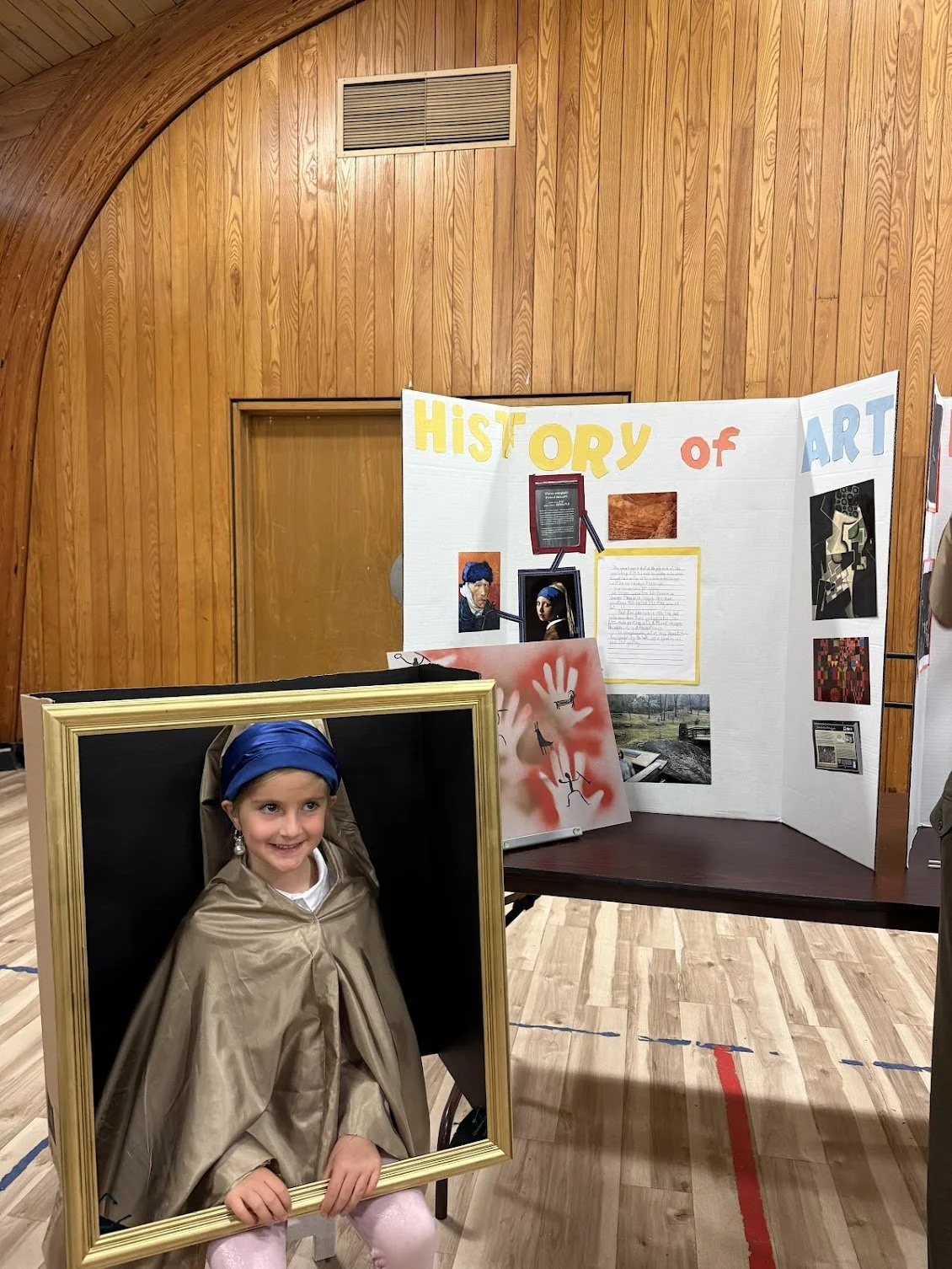
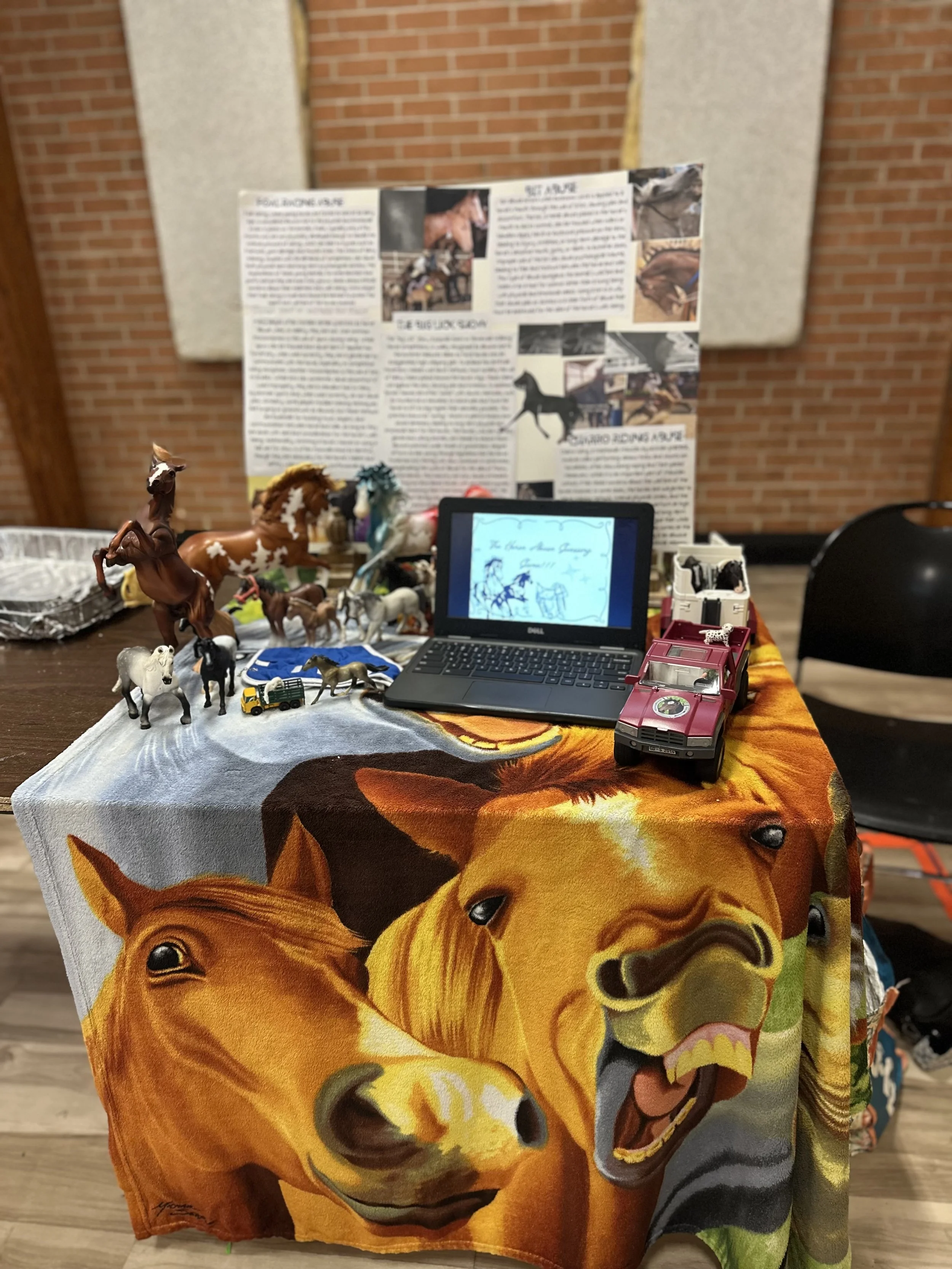
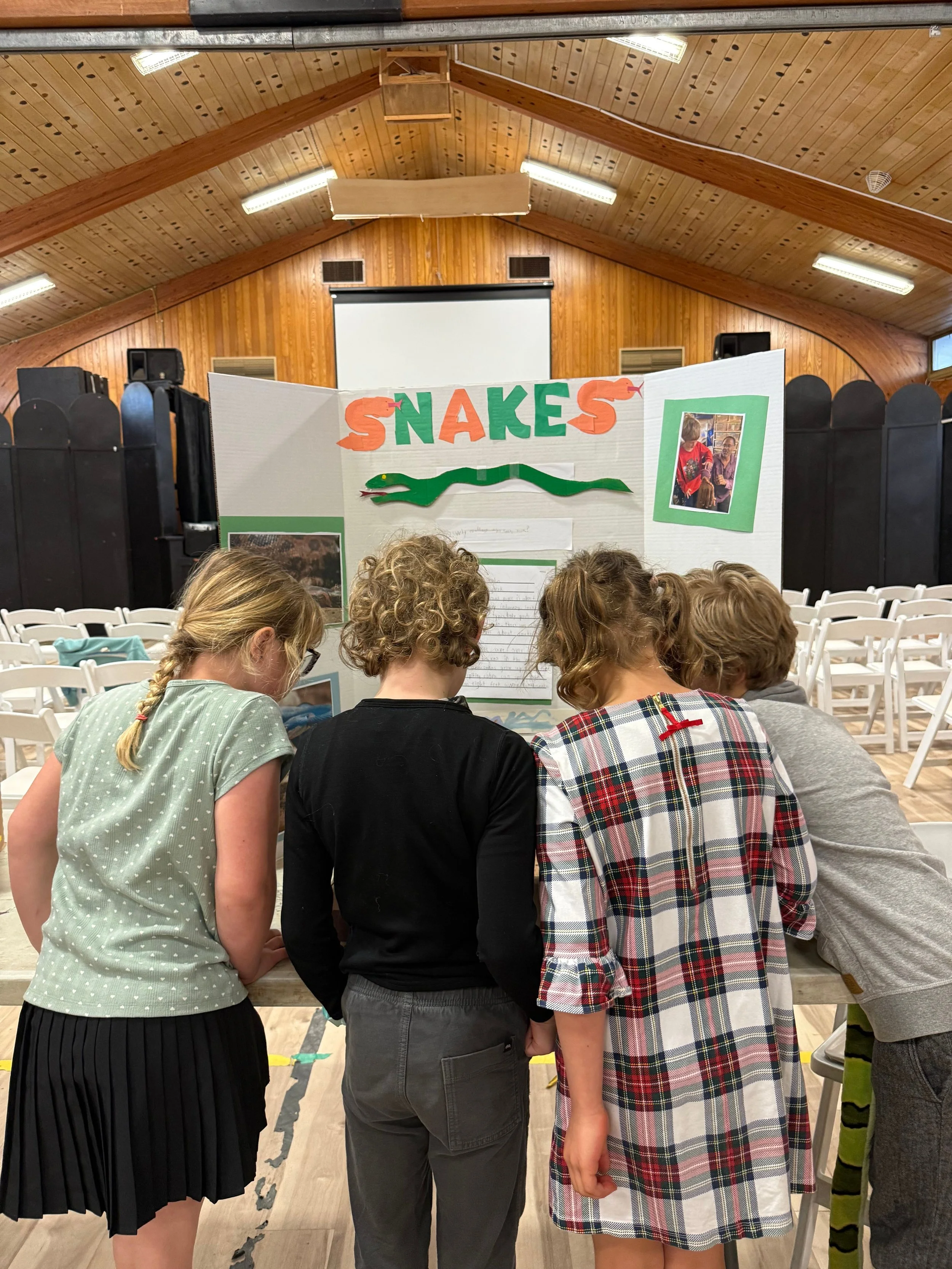
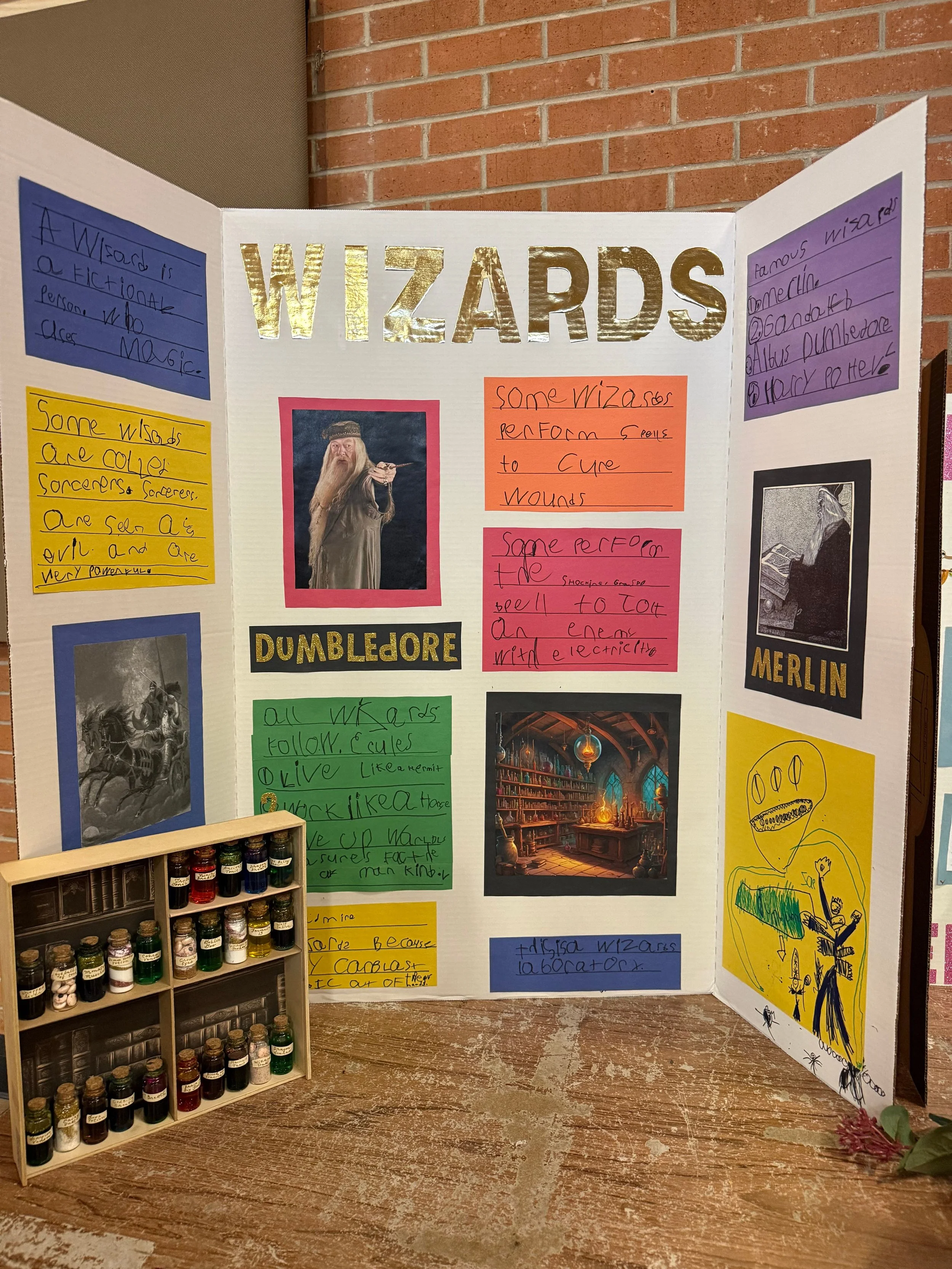
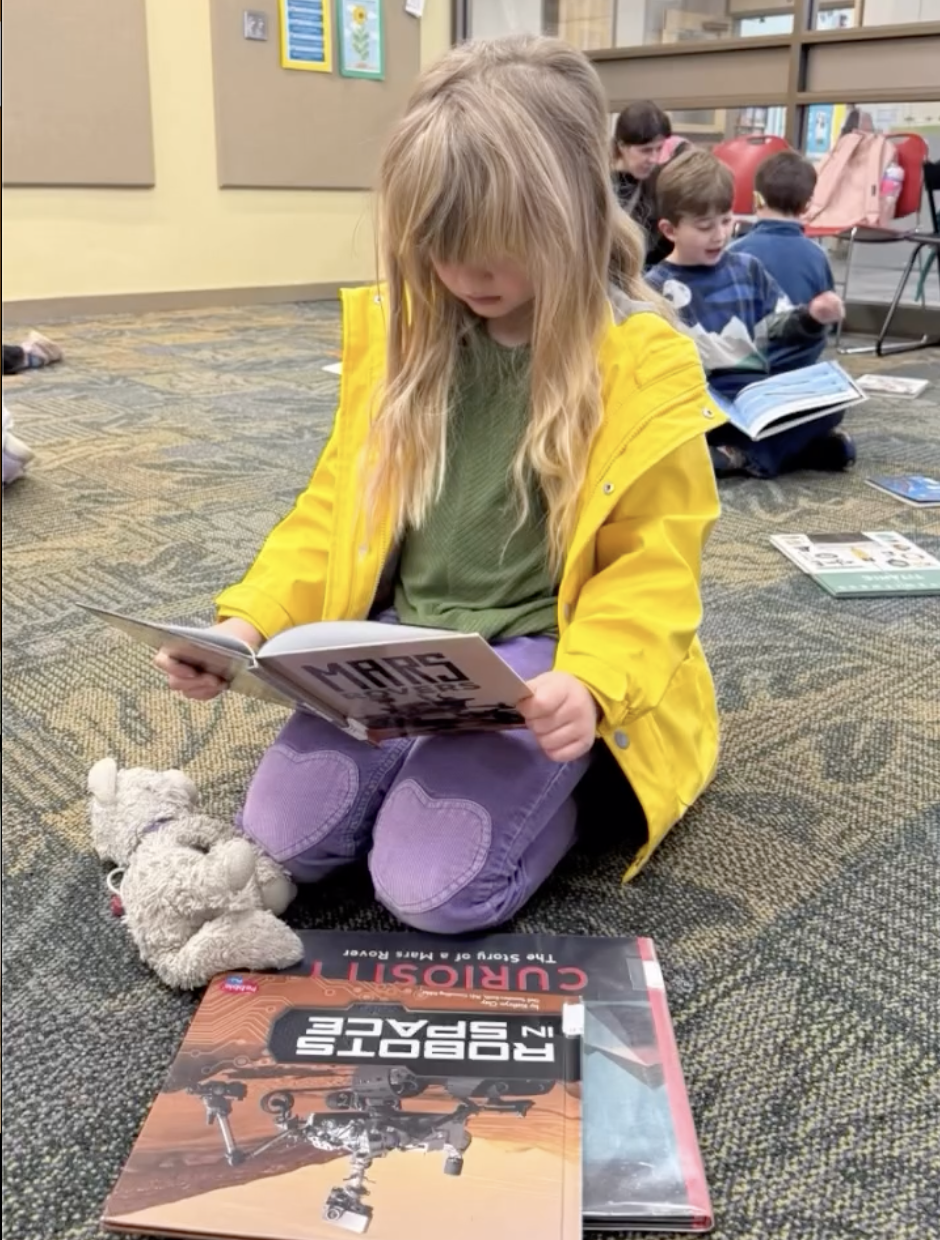
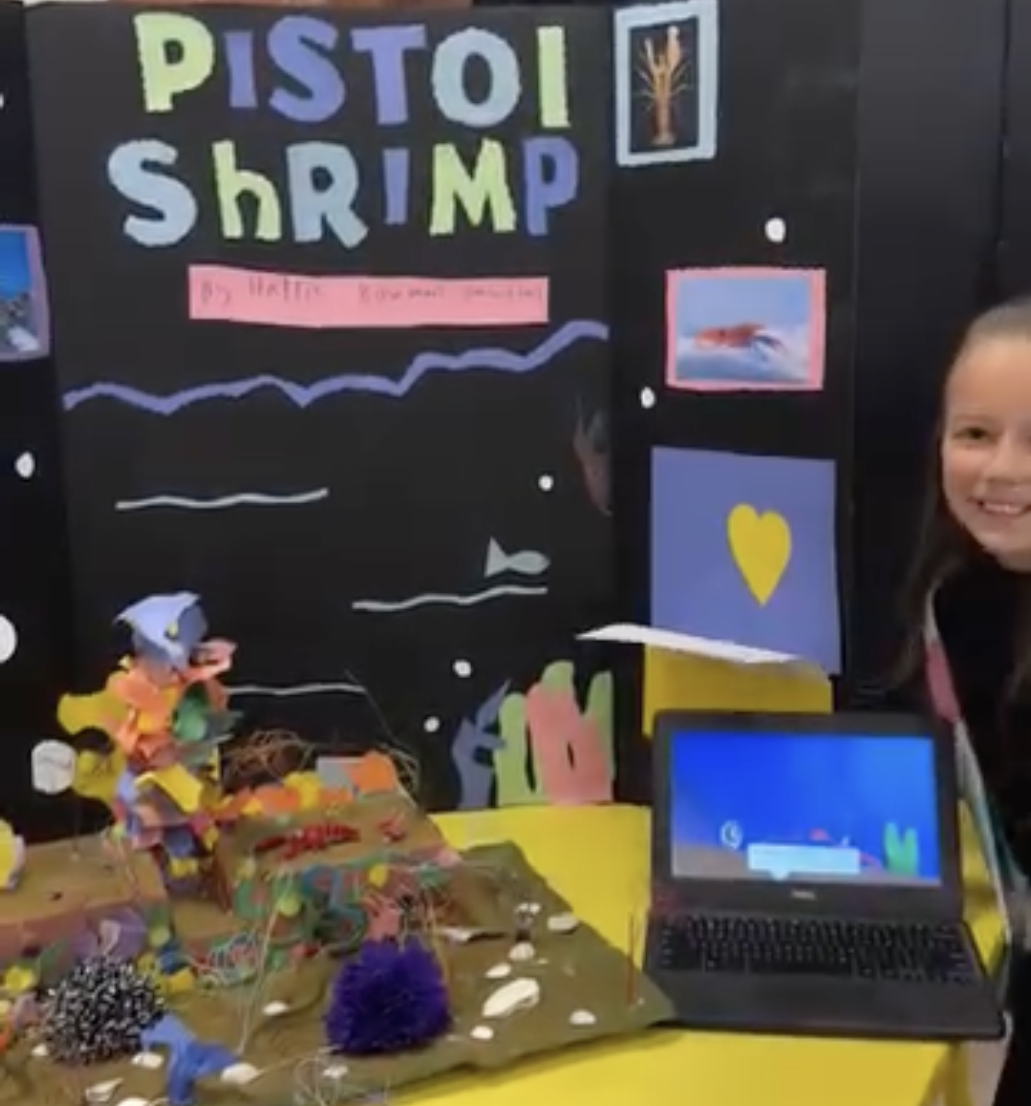
Young students start with pure curiosity—and a trip to the library. They pick topics that fascinate them—tarantulas, unicorns, volcanoes, the color purple—and we teach them the basics: how to find information, how to tell if a source is credible, how to organize what they're learning. Even our youngest students learn to cite their sources and present their findings to peers. The presentations are age-appropriate, but the underlying skills are real. This early research and presentation experience builds their identities as lifelong learners. When our youngest students have space for their interests to matter and their thinking respected, something remarkable happens: they discover that their curiosity has power.
Upper Elementary (3-5): Increasing Complexity
As students develop, their IRPs become more sophisticated. They begin comparing sources, identifying conflicting information, and forming their own conclusions. A third grader researching ancient Egypt doesn't just collect facts—they evaluate which claims are supported by archaeological evidence and which are speculation.
Students at this level begin experimenting with different presentation formats: written reports, multimedia presentations, models, demonstrations. They're learning that communication is about matching format to content.
Middle School (6-8): Developing Voice
Middle schoolers start asking their own research questions rather than just exploring topics. Instead of researching "wolves," they might investigate "how wolf reintroduction affected the Yellowstone ecosystem" or "why wolves feature prominently in mythology across cultures."
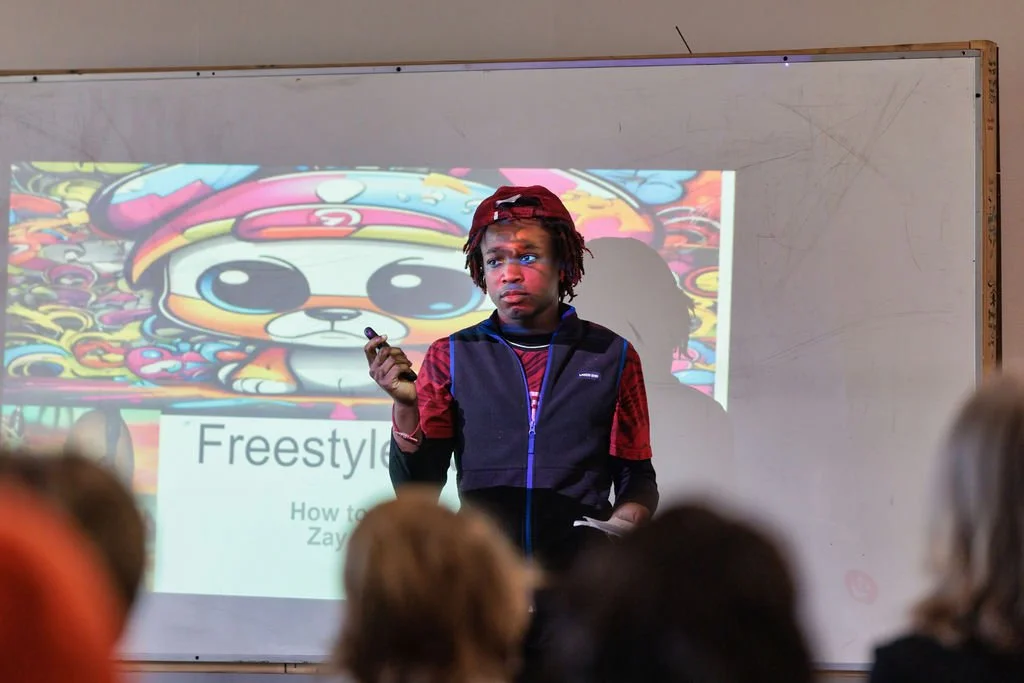
They learn to synthesize multiple sources into original arguments. They begin to understand that research isn't about finding answers—it's about asking better questions. Presentations become more formal, with students practicing academic speaking skills and responding to peer questions.
High School (9-12): Scholarly Independence
By high school, students have internalized the research skills they've practiced for years: formulating questions, evaluating sources, synthesizing information, and presenting findings. How they apply these skills varies based on their coursework and the year's curricular focus.
When high schoolers do complete IRPs, they work at a near-college level—designing multi-week research projects on topics like CRISPR gene sequencing, the philosophy of consciousness, or the history of jazz. They work with primary sources, conduct original analysis, and choose their format: traditional papers, documentary films, original compositions with analytical components, designed experiments with findings.
But the deeper work of the IRP years—learning how to approach unfamiliar domains with confidence, how to organize complex inquiry, how to communicate discoveries—carries through all their high school work. Whether in a formal IRP or through course-based research, Journey Week investigations, or Minimester deep dives, our high schoolers continue practicing the self-directed scholarship they've developed since Kindergarten.
Curious? Come on a tour and see what sets us apart.
We would love to answer all of your questions and help you learn if Odyssey is right for your family. Fill out our tour inquiry form and we’ll find the time that’s right for you.