Our classrooms are structured to support students in their pursuit of knowledge of the world, of themselves, and their confidence in community.
Dignity in Belonging
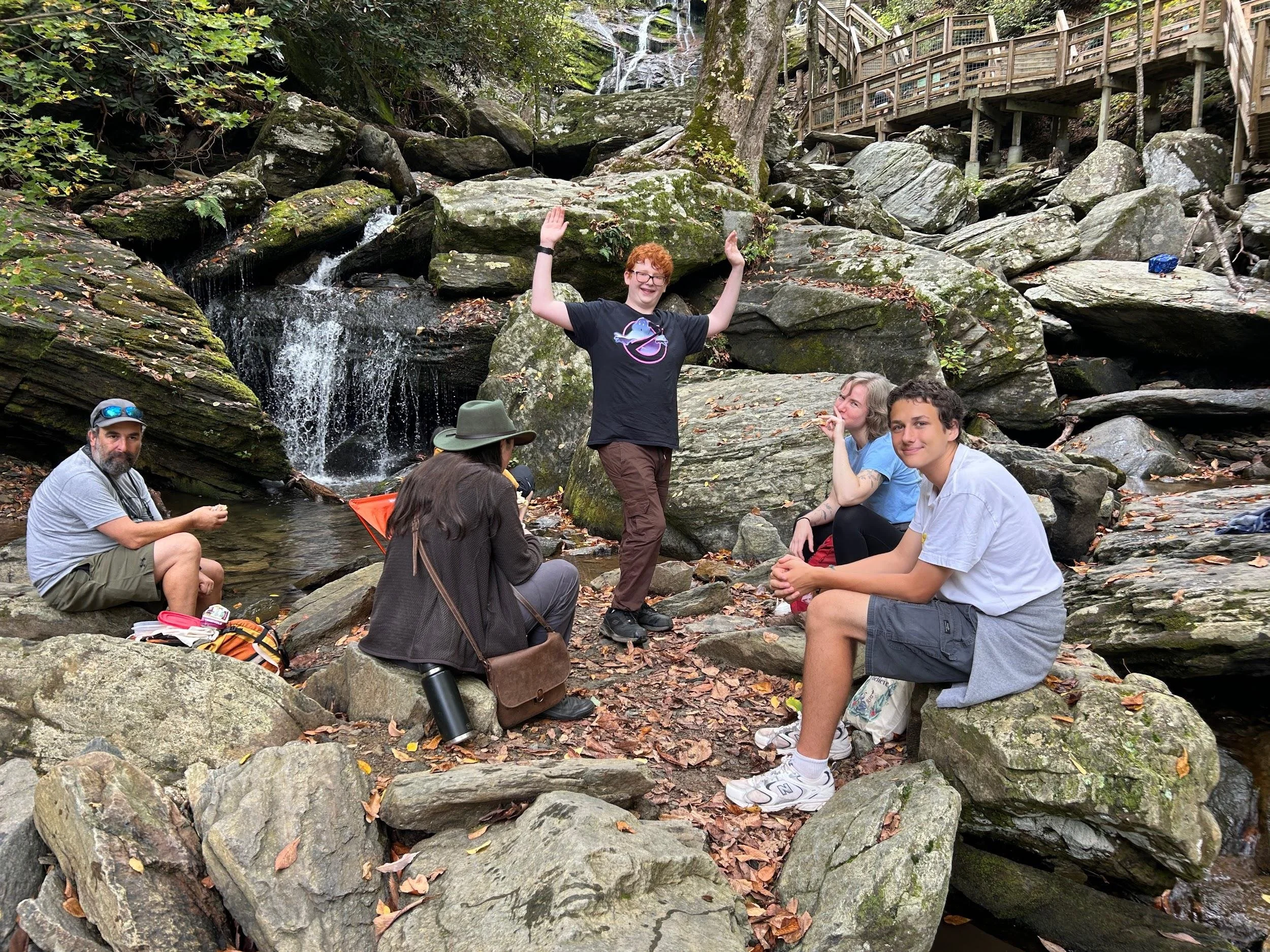
We take our community culture seriously; the social space of our school lays the foundation for the safety in which each kid grounds their learning. From admissions onward, our bottom line is multi-directional affirmation of dignity. Respect can be transactional, but dignity is inherent and unquestionable.
True learning happens when people feel safe to be themselves. At Odyssey, we cultivate belonging by fostering authentic relationships, open dialogue, and respect for each individual’s story. Our community is built on empathy, inclusion, and the belief that everyone has a place here.
We support the dignity of each child by implementing a Circle model, and teach our students and teachers the tools they need to apply these frameworks to the relationships they will have throughout their lives. In gaining the tools to Belong and also foster Belonging for others, our students gain pride from their ability to be stewards of the community's wellness.
Shared Grades: An Intentional Design
When visiting Odyssey, you might assume our shared-grade classrooms exist because we're a small school. They don't—mixed grades are an intentional design, and our teachers build their programs specifically to support this model.
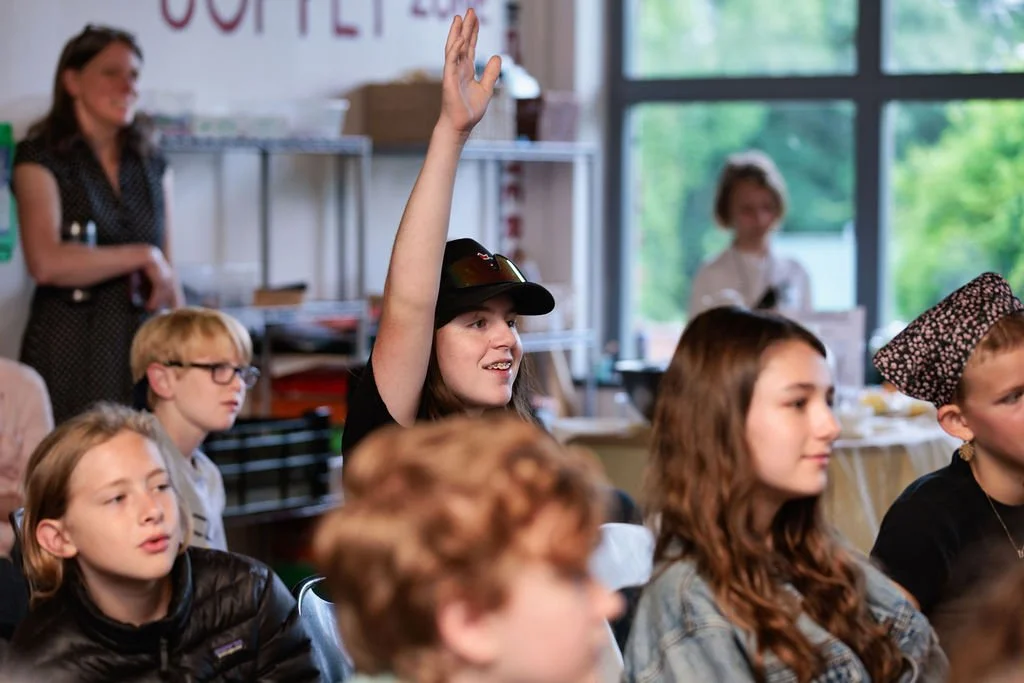
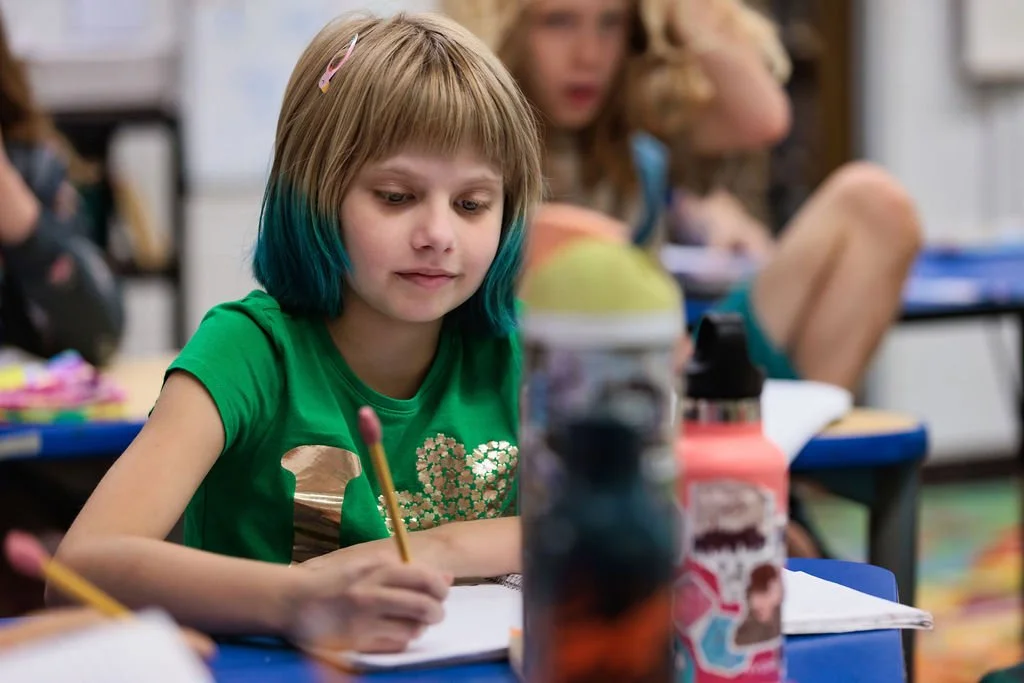
Each shared-grade class brings together two grade levels, starting with 1st and 2nd. Teachers design curricula for this environment, planning lessons and assessments to support each student's growth. With two co-teachers per classroom, our student-teacher ratio stays small and flexible. For certain subjects like math, grades split apart for grade-specific material. In a shared classroom, these lines become permeable, making space for students to move based on performance and support needs.
Classrooms often break into two groups, sometimes even four. Through daily informal assessments, our teachers develop a longitudinal understanding of each student. This allows them to create appropriate challenges for every child, which builds confidence.
One of the most powerful outcomes is the pro-social growth these classrooms foster. Students naturally rotate between roles—sometimes as peer learners, sometimes as mentors. This dynamic extends through all of student life, from homework help to navigating friendships and social responsibility.
Because teachers stay with a class for two years, they get to know each child deeply: their educational needs, personality, and strengths. In our small classrooms where relationships are central, this knowing is both inevitable and critical. These deep teacher-student connections enable highly personalized teaching and align directly with our holistic Integral Education framework, which recognizes that both the inner and outer life of a person must be held for them to thrive.

Centering
Centering is how we start our days in all grades at Odyssey.
We help students settle into their day, their body, and their spirit with a daily practice that helps students and teachers settle before they move into the rest of the school day. It is one of the ways we weave our spiritual and reflective strand into classroom life. We need all aspects of our selves ready to learn, including the little lively fires within us each.
In Centering, classes create space together to:
Be present to their bodies and minds
Notice how they are feeling and what they are bringing into the day
Reflect together, often through a short story, question, or shared ritual
Centering gives students tools for self‑regulation and reflection, and it creates a predictable moment of calm and connection in community.
Circle
At Odyssey, Circle is a core holistic practice for building community and sharing power in the classroom. Rather than centering the teacher as the main voice, Circle "decenters" the teacher so that students and adults sit together as equals, listen to one another, and make meaning collectively.
Circle is how we:
Build and strengthen relationships over time
Practice shared decision-making and accountability
Address conflicts and repair harm using restorative approaches
Our Approach
Our use of Circle follows the framework in Circle Forward: Building a Restorative School Community by Carolyn Boyes-Watson and Kay Pranis, a model widely recommended by educators doing equity and justice work. The Circle process draws from indigenous peacemaking traditions used for thousands of years to build community, address harm, and create understanding.
Circle is rooted in core beliefs about human nature: that the true self in everyone is good, wise, and powerful; that we live in a profoundly interconnected world; that all humans desire good relationships and bring needed gifts; and that living from our best selves requires practice.
Participants sit in a circle and use a talking piece—only the person holding it may speak, while others listen deeply. This creates space for every voice to be heard equally. Circles serve many purposes: welcoming community members, exploring academic content, building norms, addressing difficult topics, or resolving conflicts.
Evidence of Effectiveness
Research shows that schoolwide restorative circles lead to significant reductions in suspensions, improved student-teacher relationships, stronger school connectedness, decreased racial disparities in discipline, and improved academic achievement. Oakland schools implementing Circle practices saw an 87% reduction in suspensions over three years.
Sources
Assessment Strategies
Because we determine our own internal assessment system, we've structured student evaluations to help teachers support each child within the mixed-grade classroom. While we use periodic exams and some standardized testing, students as young as kindergarten have their curriculum-based work collected to track progress.
These informal, consistent assessments—writing assignments, worksheets, daily classwork—give teachers a complete picture of each student's understanding without performance pressure. Teachers use this information to flexibly group students and target each child's learning edge, ensuring every student tackles their next appropriate challenge.
As an independent school, we choose which standardized tests to use. We administer one standardized test: the MAP Growth Assessment from the Northwest Education Association. This data helps us check our own unrecognized spots and move forward confidently. We consistently outperform our competition, ranking in the top 25th percent nationally in literacy, and the top half for math. The results confirm what we see in our classrooms: sharing a grade with older or younger children doesn't hinder learning—it creates space where expertise can flourish.
Curious? Come on a tour and see what sets us apart.
We would love to answer all of your questions and help you learn if Odyssey is right for your family. Fill out our tour inquiry form and we’ll find the time that’s right for you.