Art Education at Odyssey
At Odyssey, art begins with learning to notice.
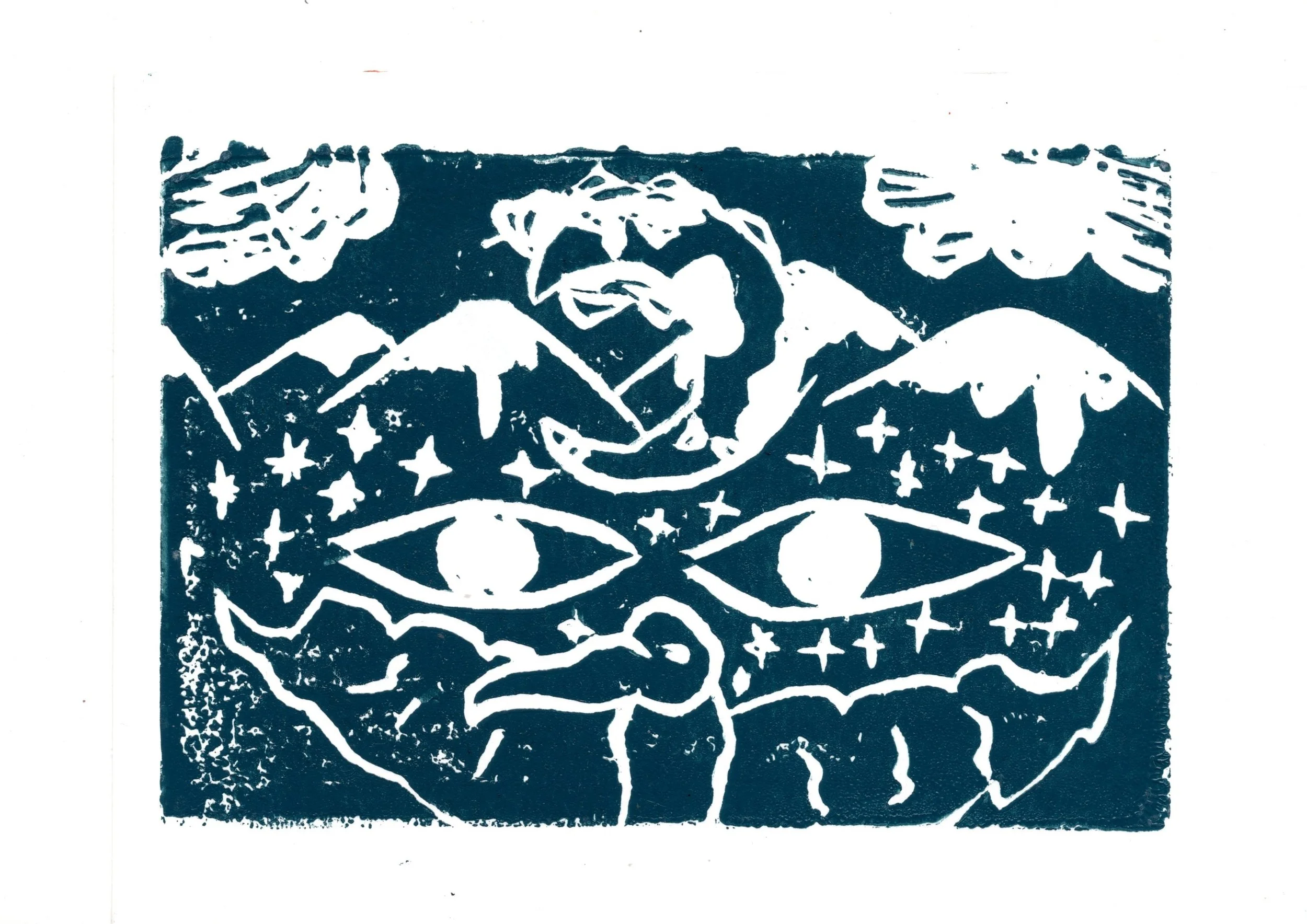
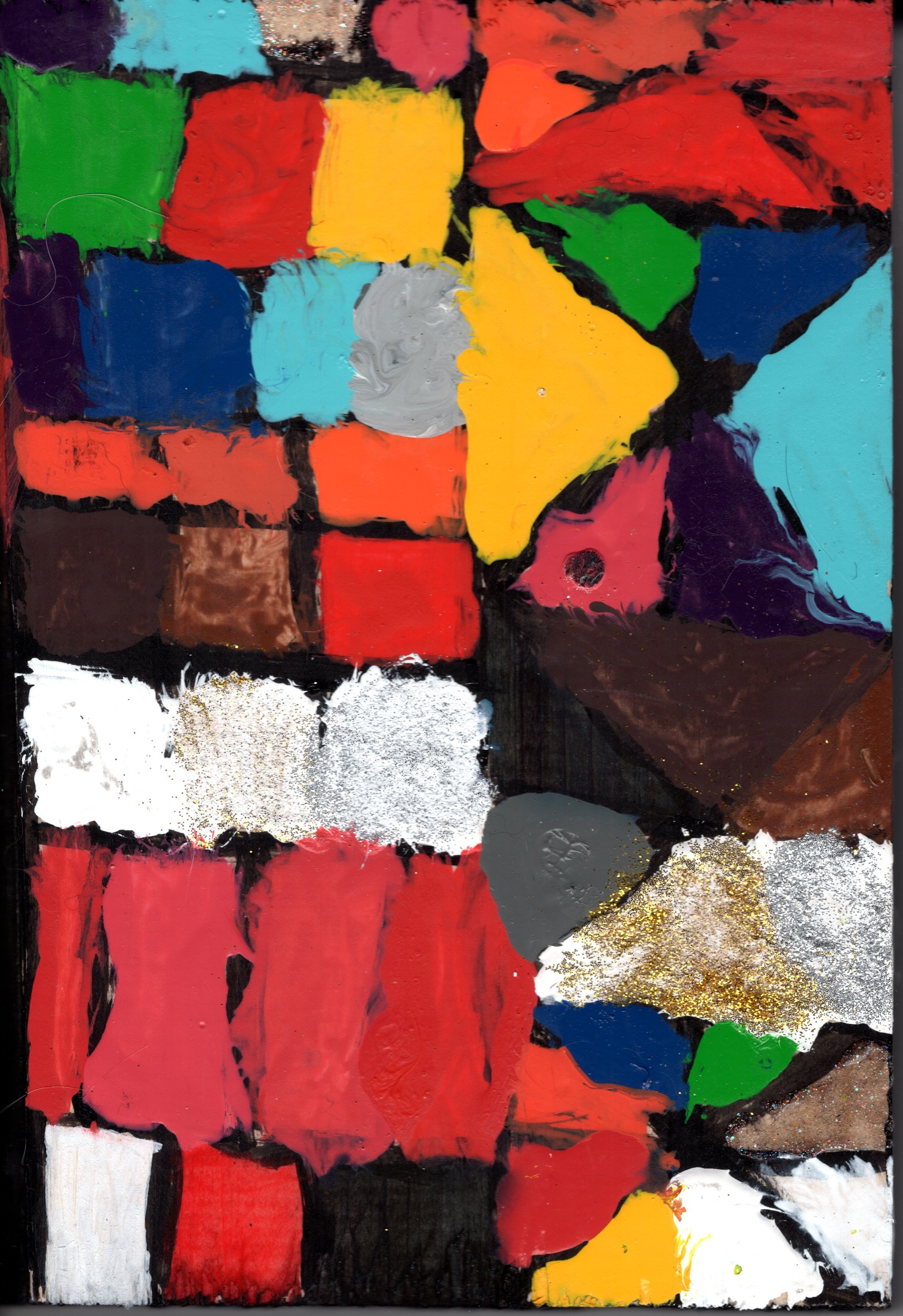
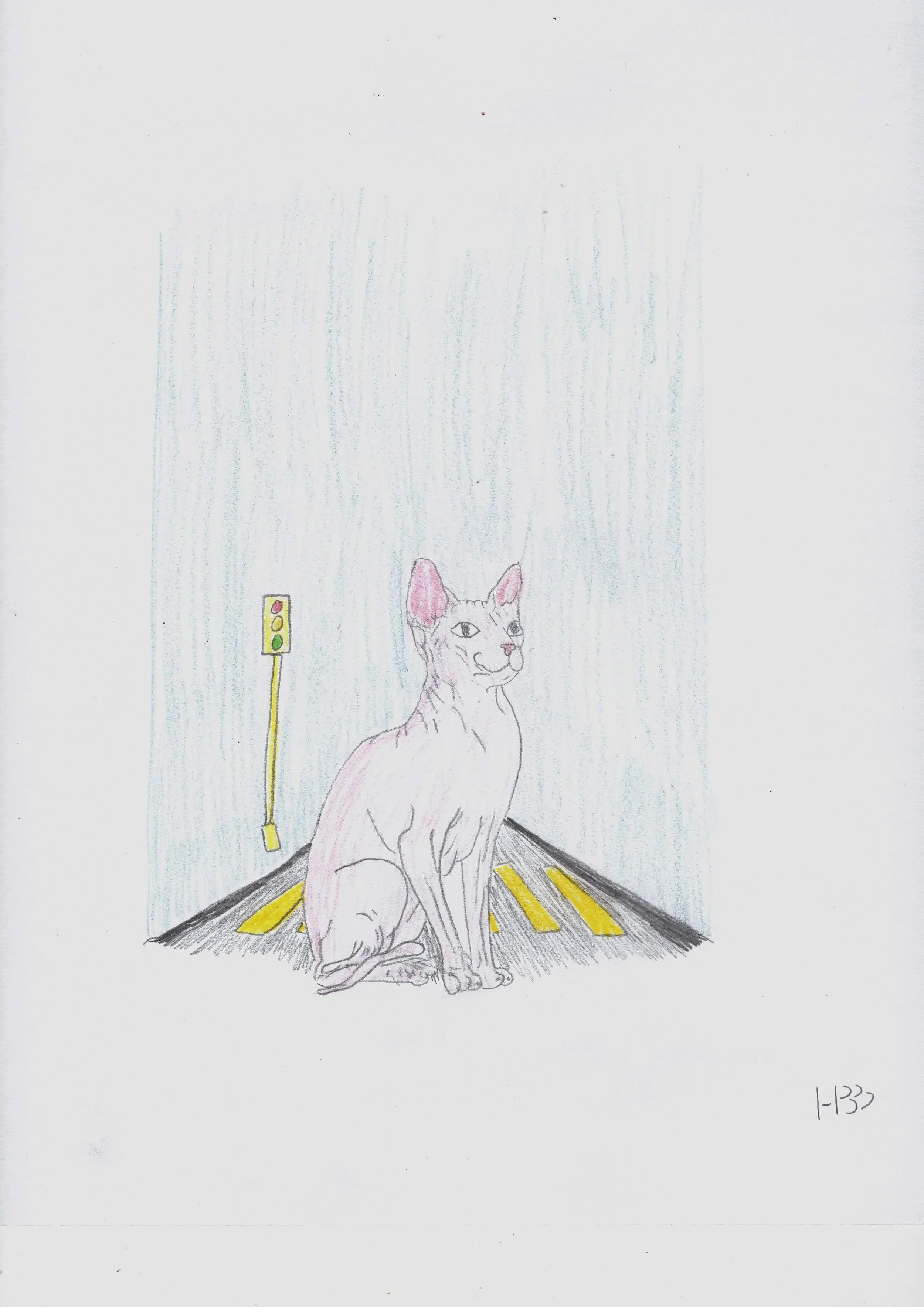
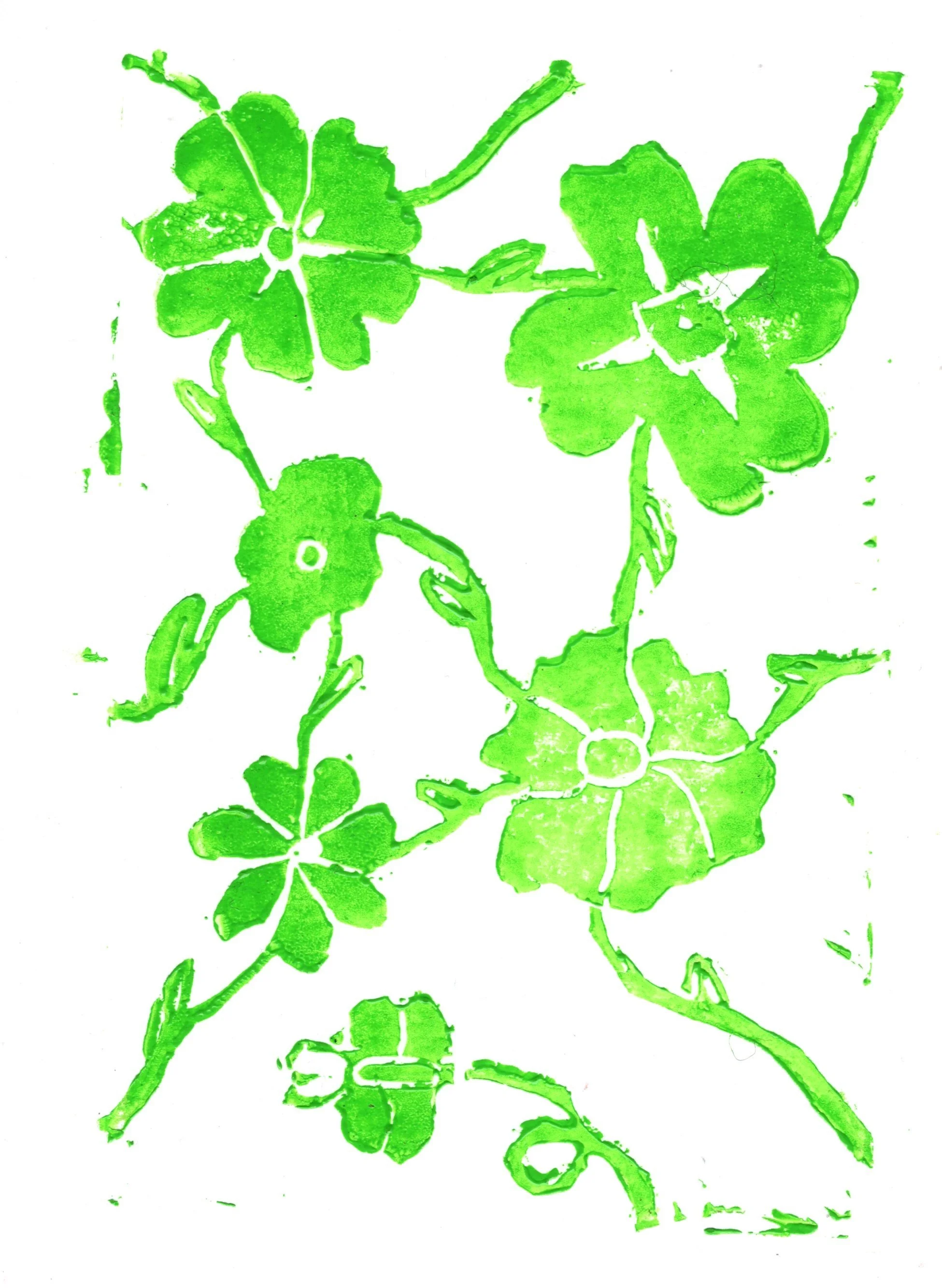
Visual art at Odyssey is woven into how students at every grade learn to observe, make meaning, and trust their own perspective. Art is incorporated into all aspects of study as one of the Six Strands; and beyond its ever-present integration, all students have access to guided arts study. From kindergarteners discovering how a circle becomes a form to high schoolers building portfolios of original paintings, students develop technical skills alongside something harder to quantify: the confidence to look closely at the world and say something true about it.
CJ Green teaches visual art from Kindergarten through Eighth Grade and supports the high school Fine Arts Pathway. Nausica Rotolo leads the pathway for high school students pursuing concentrated work in visual art. Together, they bring a combined perspective rooted in their own active creative practices — CJ in illustration and abstraction, Nausica in figurative surrealist painting — and a shared conviction that the goal of an art education is not to produce good art, but to produce people who know how to think about process and keep making.
Elementary: Kindergarten through Fourth Grade
CJ's elementary classes begin with play — not as a warm-up, but as the actual work. Younger students explore the foundational elements of art: line, space, shape, form. The difference between a shape (flat, two-dimensional) and a form (three-dimensional, occupying space) turns out to be the kind of distinction that sounds simple and becomes revelatory. CJ introduces these ideas through hands-on projects and a shark puppet named Gilmore who helps explain the hard stuff.
Projects in these grades range from paper puppets with movable joints — brass brads connect the limbs, so students learn how components work together and what scale actually means when you're building something — to clay work, observational drawing, and cardboard construction. The goal is not a polished finished product. It is the experience of starting something, getting confused, making a mistake, and figuring out what to do next. CJ is direct with students about his own work-in-progress: the drawing he has done eight times and still doesn't like, the commission sitting unfinished in his studio. He talks freely about Leonardo da Vinci, who was famous for often not finishing work — and about how Michelangelo, by contrast, had patrons who would threaten his village if he didn't deliver. History can be a very useful art teacher.
What is built in these early grades is a container: a space where students feel safe enough to fail, curious enough to try again, and confident enough to say what they actually think of their own work.
Middle School: Fifth through Eighth Grade
By middle school, students have the container — an established relationship with art-making, a working vocabulary, a sense of what it means to stay with a problem — and the focus shifts to filling it. This is where technical skill and conceptual understanding start to converge. Students work on longer, more complex projects: linocuts and printmaking, clay, sewing, construction-based work, extended series. They get to stay with something long enough to experience the moment that it clicks— the point where a concept that seemed abstract suddenly resolves into obvious sense. Carving, for instance, is "negative painting." Scale is something you feel in your hands before you understand it in your head. Color is math. Middle school is where students start noticing these connections across disciplines, and where they begin developing their own aesthetic judgment rather than looking outward for approval. CJ meets them in both places: as the teacher who knows the formal vocabulary to guide them and as the working artist who is still modeling a living creative practice alongside them.
High School: Fine Arts Pathway
The Fine Arts Pathway is Odyssey's concentrated high school program for students who want to develop serious technical skills and a genuine creative voice. Nausica Rotolo leads the pathway; CJ Green supports it.
The curriculum is structured intentionally: students build from the ground up. They begin with graphite drawing, developing observation as a primary skill — learning to look at light, value, and shadow with enough precision to create convincing form on a flat surface. From there, they move into paint, working through color theory, contrast, and composition. Once those foundations are in place, the work opens into more figurative and personal territory.
Each year's curriculum is shaped in part by who is in the room. A cohort with more experience opens the door to more ambitious projects: figure drawing from a live model, found art assemblage, or concentrated work in a specific medium. One signature project — illuminated manuscripts using gold leaf and paint, drawing from medieval iconographic traditions — gives students the chance to work at the intersection of image and text, technical precision and creative invention. The creatures in those manuscripts, as Nausica notes, are not always anatomically correct. That is part of the point.
The pathway functions more like a mentorship than a course with individualized support, guidance, and creative room. Students work on individual projects, receive feedback from Nausica and from each other, and learn to develop their own aesthetic judgment about what they are making and why. The goal, as Nausica frames it, is to teach students to observe — not just to look, but to truly see: to understand light and shadow well enough to render form, and to trust their own instincts well enough to make something that is genuinely theirs.
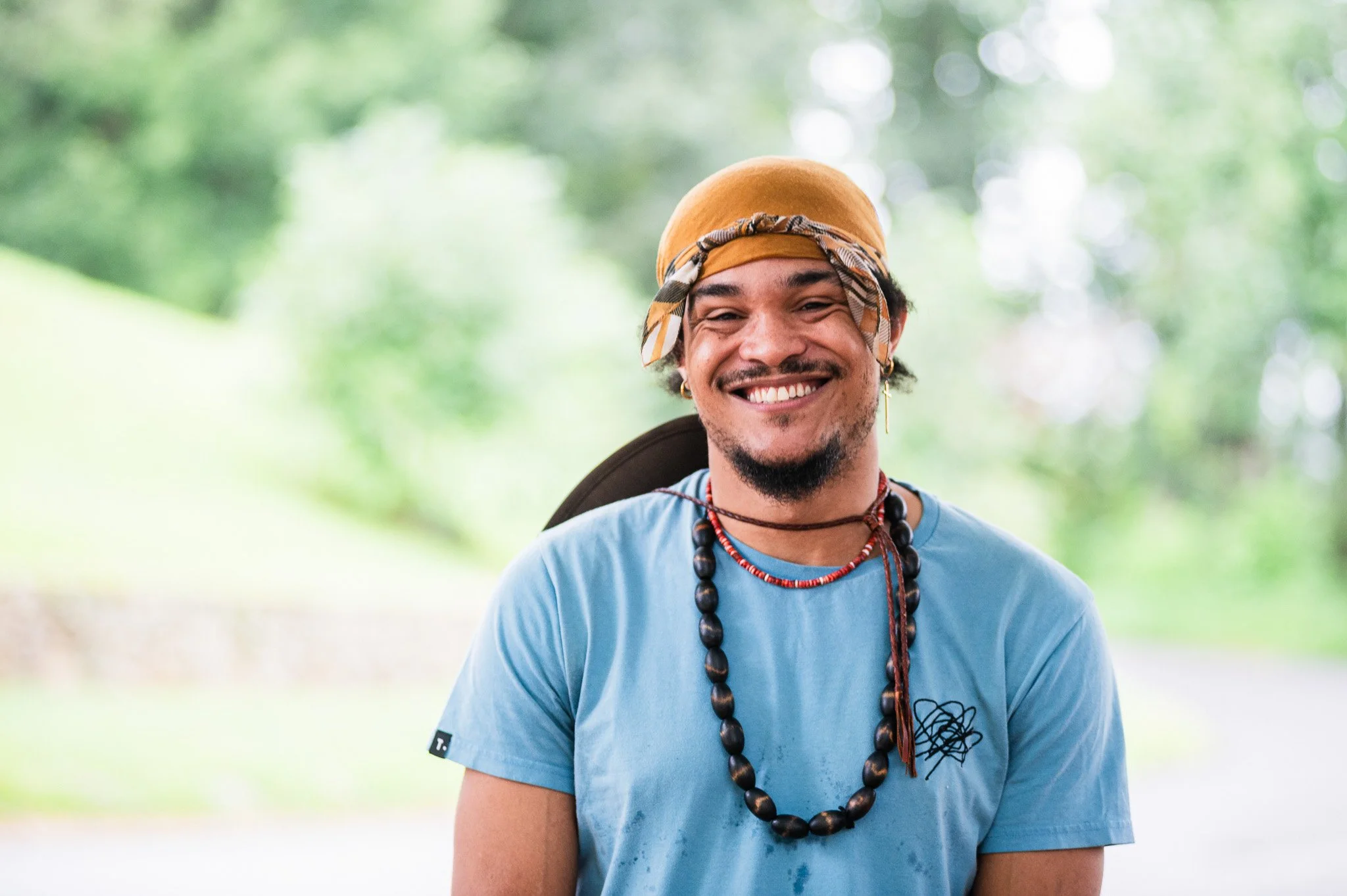
CJ Green - K-8 Visual Arts Teacher
CJ Green is a multidisciplinary artist and educator from Creedmoor, North Carolina. He studied English, art, and theater at Guilford College and spent several years at Heartwood Agile Learning Center, a self-directed school in Atlanta whose guiding philosophy was "power with, not power over." He is colorblind, which means he approaches color theory through math and tonal relationships rather than intuition — a different path to the same destination, and a living demonstration to students that there is always more than one. He writes poetry and essays, performs stand-up comedy around Asheville, and brings a theater background in stage management and dramaturgy to how he thinks about classroom dynamics.
That breadth is the teaching. CJ's "yes, and" approach — drawn from improv practice and years of self-directed facilitation — means students have room to follow an unexpected direction and find out where it leads. What he builds across all grade levels is internal validation: the ability to assess your own work honestly, tolerate the discomfort of not knowing, and keep making anyway.
Nausica Rotolo - High School Fine Arts Pathway Teacher
Nausica Rotolo is a painter and art educator based in Asheville. She studied studio art at Warren Wilson College and continued at the American University of Rome, where she focused on painting, creative writing, and classical art. Her personal practice is rooted in oil and watercolor in a figurative surrealist style — symbolic imagery and dreamlike compositions drawing from her Haitian and Italian ancestry and a longtime practice of translating her dreams into images. She also writes, and teaches a poetry elective at Odyssey, because for her the visual and the written are the same impulse in different registers.
That dual practice shapes what her Fine Arts students experience. Nausica teaches attention as the foundation of visual art — the capacity to look at light, shadow, and form precisely enough to render them honestly — while keeping the larger goal in view: a creative voice students can trust. What she hopes they leave with is not a set of completed projects, but the habit of looking closely and the confidence to say something true about what they find.